

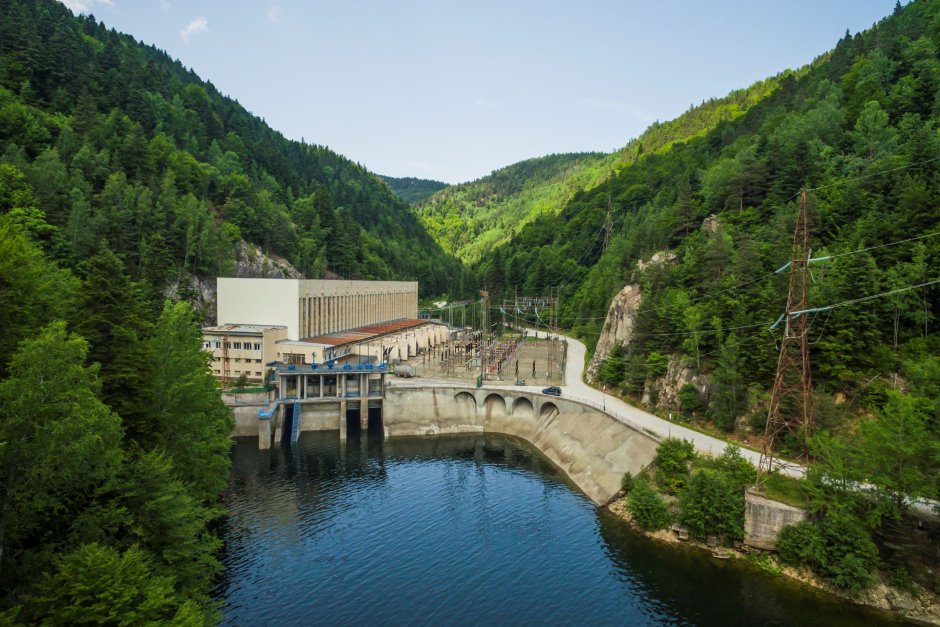
Every drop of water in Bulgaria is now forced to take a detour — through a turbine — before it can reach a household tap. Before it can quench thirst, irrigate land, or sustain life, more than 1 million liters of water per day are directed first to the turbines of small and large hydropower plants. This is the hidden, yet very real cost of “renewable” energy — a resource officially labeled as green, but in practice, privatized down to the last drop.
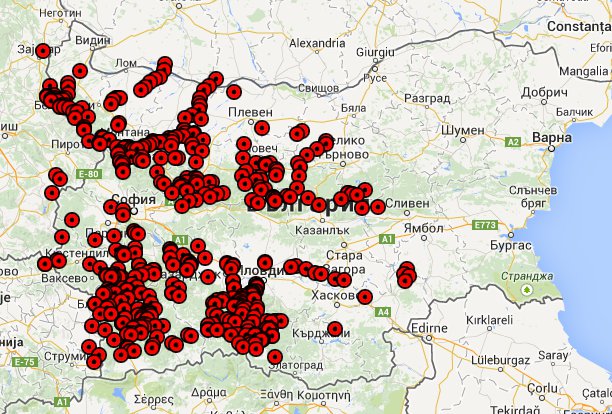
The backstory begins quietly in the early 2000s. While the media focused on the flashy privatizations of energy distribution companies, behind the scenes, in backrooms and ministerial corridors, dozens of strategic water facilities were silently handed over to private operators. Not just minor projects, but entire hydropower cascades — with dams, spillways, diversion canals, shafts, and generators. Today, Bulgaria is dotted with 242 functioning hydro plants, controlled by hundreds of companies — some experienced, many created just for one lucrative deal.
 An investigation by Daily Press traces how politically connected firms — often with zero experience in energy — snuck into the game. One of the most notorious examples is the Kokalyane–Pancharevo cascade, reportedly transferred through a chain of offshore firms and political cronies. No public tender. No competition. Just quiet contracts — fast, profitable, and indefinite.
Years later, the consequences are glaring: not only electricity, but Bulgaria’s water itself has been trapped. Legally, water must “temporarily” pass through turbines and return to the riverbed. In theory. In practice, entire stretches of rivers — in the Pirin mountains, Rhodopes, Struma, and Iskar basins — have vanished. Instead of following their natural course, the waters are funneled into concrete tunnels and steel channels, sucked into turbines, and spat out miles downstream — or not at all.
And the cruelest irony? There’s always water for energy — but not for people. A single mid-sized hydro plant, producing 5 MW, consumes over 1 million liters of water per day. That’s water that could supply hundreds of homes, fields, or ecosystems. But it must first be sold, counted, converted. Only afterward — if anything’s left — can it reach the people. That’s not a theory. That’s Bulgaria, today.
What’s worse, many of these hydro plants don’t even have valid construction permits or sit on public land used without legal ownership. Investigations show that only three such facilities in the entire country have full legal documentation. The rest operate in legal gray zones — or entirely outside of it. Yet their electricity is bought, subsidized, and paid for — by the public.
The catastrophic 2022 failure of the “Chaira” pumped storage hydro plant cast further doubt on the system. Years later, it remains out of order. The European Prosecutor’s Office, Swiss consultants, and local experts are still investigating. But answers are slow. Meanwhile, who’s checking the rest?
At the local level, corruption runs unchecked. According to Top Press and other regional sources, municipalities like Gotse Delchev, Simitli, and Yakoruda have issued licenses for hydro plants linked to relatives or business partners of local officials. Some “mini-HPPs” aren’t even on official maps, but already run at full capacity — with oversight that’s symbolic at best.
The result? Bulgaria’s water wealth is now fragmented among 242 private owners — each with their own river, their own turbine, their own deal. The state hasn’t just stepped back — it’s become a silent partner in the model. While electricity flows through the grid, and profits through offshore accounts, entire villages in Pirin and the Rhodopes report dry taps — or water only at night.
This is the brutal truth. Energy independence for the few, thirst for the many. Renewable riches for the elite — and empty rivers for the rest. It’s time for Bulgaria to face the mirror — not as a drained economy, but as a society draining its own future — liter by liter.
Over 1 billion levs in yearly profits.
88 million cubic meters of diverted water each month.
Only three legally compliant facilities.
And entire rivers — gone.
The time for slogans is over. The time for reckoning has come. Whose water is it? And how much longer will we be draining it — not for life, but for profit?